

Beyond the Screen: How the Tacloban Tragedy Sparked a Nationwide War on Violent Games
Following the tragic mass school shooting in Tacloban City, the Philippine National Police (PNP) has officially backed a comprehensive government

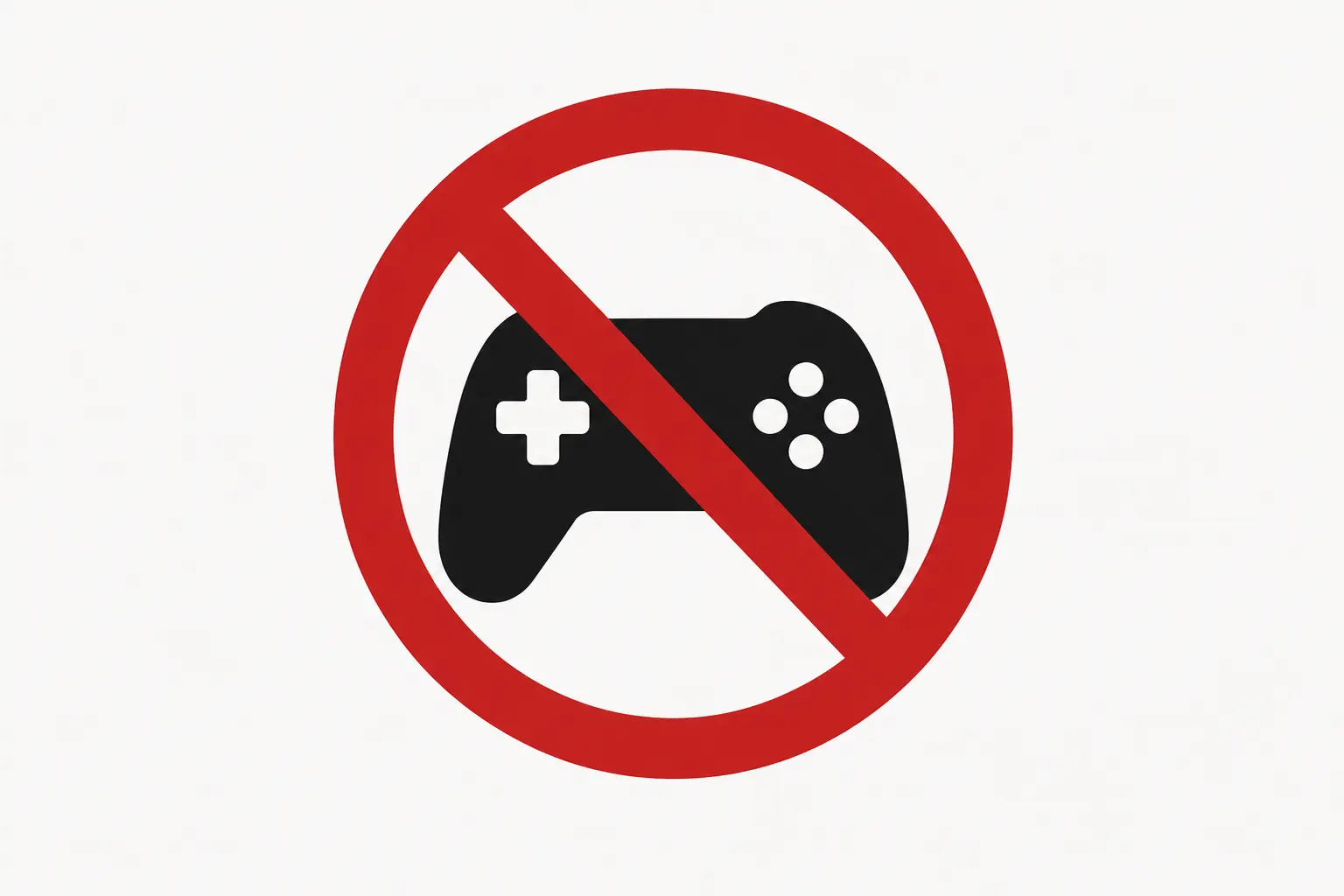
Following the tragic mass school shooting in Tacloban City, the Philippine National Police (PNP) has officially backed a comprehensive government review of violent video games, specifically focusing on the ultra-violent physics sandbox game GoreBox. On Friday, June 26, 2026, PNP Chief Gen. Jose Melencio Nartatez Jr. expressed deep concern over the potential for copycat behavior among adolescents after a fatal shooting on Monday, June 22, left three students dead and 20 others wounded at San Jose National High School. The two minor suspects, aged 14 and 15, were allegedly heavily influenced by the game prior to launching the gun attack, prompting immediate regulatory intervention and sparking an intense nationwide debate on digital media censorship.
Table of Contents
Examining the violent architecture of GoreBox
When the preliminary investigations concluded, authorities revealed that the two young perpetrators had reportedly utilized simulated scenarios reminiscent of GoreBox leading up to their assault. For its part, F2 Games, the independent developer founded by German national Felix Filip, issued a formal statement via email pledging full cooperation with the Philippine authorities’ ongoing investigation. However, the developer maintained that the game was explicitly designed for adult audiences and carries an active 18+ maturity rating. The presence of ultra-violent elements in a game readily accessed by minors has drawn fierce criticism from parents and educators alike, who assert that standard age-gating mechanisms are failing to protect vulnerable youth.
A series of government actions against sandbox games takes place
The Cybercrime Investigation and Coordinating Center (CICC) acted swiftly following the tragedy, enforcing a temporary ban on GoreBox within Philippine networks. Concurrently, Interior and Local Government Secretary Jonvic Remulla has pushed aggressively for a permanent prohibition on all “violent” video games, citing the progressive desensitization of youth to death, violence, and murder. This sweeping stance has met with furious online protestations from the local Filipino gaming community, who argue that a blanket ban is a blunt policy response to a highly nuanced and multifaceted social crisis.
Key Features of the Juvenile Accountability Framework
Meanwhile, the Department of Social Welfare and Development (DSWD) Field Office 8 has assured the public that both minor suspects will face strict accountability under existing juvenile justice laws without receiving special treatment. DSWD-8 Director Grace Subong confirmed during a Friday press briefing that the duo is currently confined under heavy restrictions at the Regional Rehabilitation Center for the Youth (RRCY) in Tanauan, Leyte. The facility, which currently shelters 30 Children in Conflict with the Law (CICL), has placed the two suspects in separate rooms given their age difference and psychological shock.
Just look what to do about content gating
The legal trajectories for the two boys diverge significantly under the Juvenile Justice and Welfare Act (RA 9344). The 15-year-old suspect, alias “Rod,” has already undergone formal inquest proceedings filed by the Police Regional Office-8 at the Tacloban City Prosecutor’s Office for three counts of murder, three counts of frustrated murder, and serious physical injury. Director Subong clarified that the suspects are strictly banned from using phones, accessing the internet, watching television, or regularly talking to their families:
“With these restrictions, there is somehow a penalty and accountability as a result of their action. In the event that the rehabilitation will fail, they will be referred to a regular jail facility when they reach the legal age.”
Conversely, the 14-year-old suspect, alias “Nash,” remains legally exempt from criminal liability due to his age but has been placed under long-term DSWD rehabilitation. Nash will undergo a structured “diversion” program that includes intensive socio-cultural and psychological interventions to determine long-term treatment without resorting to formal, public court proceedings.
A dangerous pattern of digital extremism
As lawmakers prepare to invite the developer to a Senate hearing next week, tech journalists and researchers warn against assigning singular blame to the software itself. Decades of exposure to violent franchises like Counter-Strike and Grand Theft Auto have not made school shootings a recurring phenomenon in the Philippines, suggesting that game violence alone is insufficient to explain the tragedy. The critical danger, experts argue, lies not in the offline rendering of pixels, but in the unmonitored digital networks and multiplayer spaces where extremist actors deliberately target vulnerable minors. Highlighting this systemic threat, insights from the Global Network on Extremist and Technology (GNET) emphasize that structural context matters far more than game mechanics:
“In light of meta-analyses that do not appear to support substantive long-term links between aggressive game content and youth aggression, we should view the crucial digital element of this attack’s context through the attacker’s behaviours in the group chat and his use of the gaming space, rather than attaching them to the game itself.”
Diving into platform regulation and ratings boards
Ultimately, the uproar raises structural questions about whether the Philippines requires its own dedicated video game content review board, similar to America’s ESRB or Australia’s strict classification system. Relying entirely on international storefronts like Steam or the Google Play Store to enforce age limits has proven ineffective, yet a reactionary blanket ban risks mirroring historical overreaches—such as when the Marcos Sr. administration completely banned video games in 1981 under the belief that they were destroying the nation’s moral fiber.
Because non-violent, user-generated sandbox titles like Roblox and Minecraft have similarly been exploited by online extremist groomers, a ban on GoreBox fails to address the root issue. If legislators walk away from the upcoming hearings believing a software ban resolves the crisis, they will have missed the digital infrastructure actively finding and manipulating Filipino children before our institutions can stop them.
Latest Posts

Lorem ipsum dolor sit amet, consectetur adipiscing elit. Ut elit tellus, luctus nec ullamcorper mattis, pulvinar dapibus leo.
Copyright 2026 Site. All rights reserved powered by site.com
No Comments